
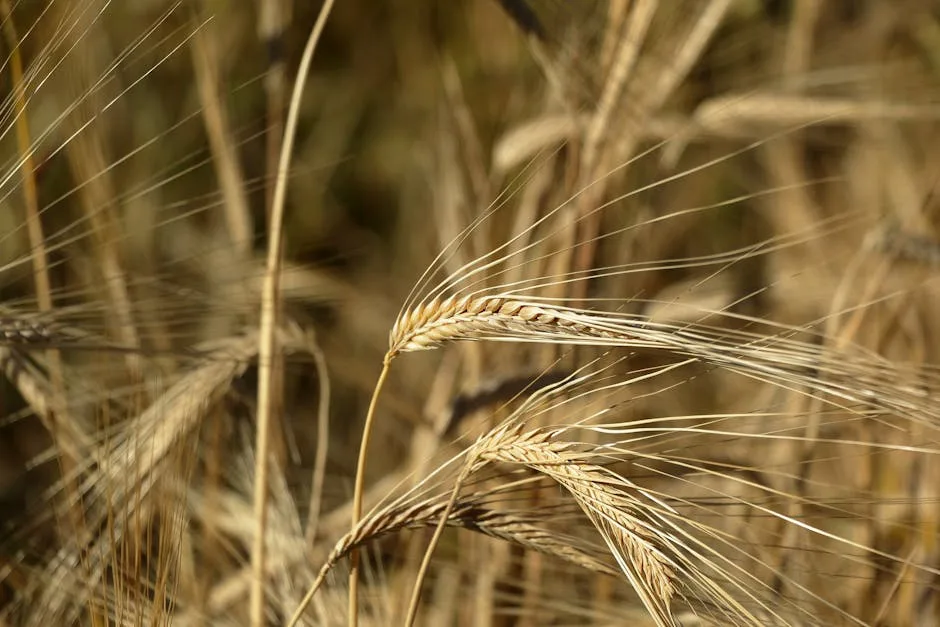
Early-season pest control in wheat: the key factor that protects tillering, plant density, and final yield
The first weeks after wheat emergence represent a critical window for establishing the foundation of an abundant harvest. Pests attacking during this period can severely compromise plant count, tillering capacity, and ultimately yield. Timely intervention makes the difference between an average and an exceptional crop.
Why early intervention matters
The stages from emergence to early tillering (BBCH 10-25) are among the most vulnerable for wheat. During this period, young plants have limited resources to compensate for pest damage. Every plant lost means fewer heads per hectare and, consequently, lower production.
Agronomic studies show that plant losses in early stages can significantly reduce yield, sometimes by double-digit percentages, depending on attack severity and subsequent weather conditions. Although wheat has some compensatory capacity through tillering, this is limited and depends on the initial crop density.
Main pests in early growth stages
Under the climatic conditions of Romania and Central Europe, the following pests pose the greatest risks to wheat in early stages:
- Frit fly (Oscinella frit) – attacks central shoots, causing plant loss or reduced tillering
- Cereal leaf beetle (Oulema melanopus) – larvae feed on leaves, reducing photosynthetic area
- Aphids (cereal aphids) – suck sap and can transmit viruses such as BYDV
- Wheat thrips (Haplothrips tritici) – affects young plant tissues
- Wireworms (Agriotes spp.) – destroy roots and stem base
Impact on tillering and density
Tillering is the process by which wheat multiplies its number of productive stems. A pest attack during the tillering phase can have the following consequences:
| Affected stage | Consequence | Recovery possibility |
|---|---|---|
| Emergence (BBCH 10-12) | Total plant loss | Very limited |
| Early tillering (BBCH 21-23) | Reduced tiller number | Moderate |
| Full tillering (BBCH 25-29) | Weak, unproductive tillers | Partial |
Crop monitoring
Regular field monitoring is fundamental for early pest detection. Practical recommendations:
- Check the crop at least once a week during the critical period (late autumn and early spring)
- Examine at least 5 points evenly distributed across the field
- Look for signs of attack: yellowing plants, destroyed central shoots, feeding marks on leaves
- Use yellow sticky traps for monitoring fly and aphid populations
- Record observations and compare them with economic damage thresholds
Control methods
Integrated Pest Management (IPM) combines multiple methods for optimal results:
Preventive measures
- Crop rotation to break pest cycles
- Respecting the optimal sowing date for your area
- Using insecticide-treated seeds (where applicable)
- Removing crop residues that can harbor pests
Chemical control
When monitoring indicates exceeding the economic damage threshold, insecticide treatments become necessary. Available products vary by country and current regulations.
Always follow the product label and local regulations.
Biological control
Natural enemies of pests play an important role in maintaining balance. Protect and encourage:
- Ladybugs (aphid predators)
- Lacewings (larvae consume various small insects)
- Spiders (generalist predators)
- Parasitic wasps (parasitize pest larvae)
Optimal treatment timing
Treatment effectiveness largely depends on application timing. Factors to consider:
- Development stage of the crop and the pest
- Weather conditions (temperature, humidity, wind)
- Forecast for the next 24-48 hours (avoid application before rain)
- Apply early morning or evening to protect pollinators
Frequently asked questions
How do I know if I need to treat?
Monitor the crop regularly and compare infestation levels with economic damage thresholds established for each pest. Treat only when these thresholds are reached or exceeded.
What if I missed the optimal treatment timing?
Assess current damage and the forecast for pest population development. In some cases, a late treatment may still be beneficial; in others, costs may exceed benefits. Consult an agricultural specialist for your specific situation.
Can I combine insecticide treatment with other operations?
In many cases, yes – insecticides can be combined with herbicides or fungicides. Always check product compatibility on the label or consult the supplier before making tank mixes.
Are treated seeds sufficient for protection?
Treated seeds provide protection in the first development stages, but their effect decreases over time. Depending on pest pressure and weather conditions, additional foliar treatments may be necessary.
Conclusion
Early pest control in wheat is not an option – it is a necessity for protecting your investment. Through careful monitoring, timely action, and integrating multiple control methods, you can ensure healthy tillering, optimal plant density, and ultimately the yield your work deserves.
Do not let pests compromise your harvest before it truly begins. Be proactive, monitor constantly, and act decisively.
This article is for informational and educational purposes. The recommendations presented do not replace professional agronomic advice. Always follow local regulations and instructions on plant protection product labels.