
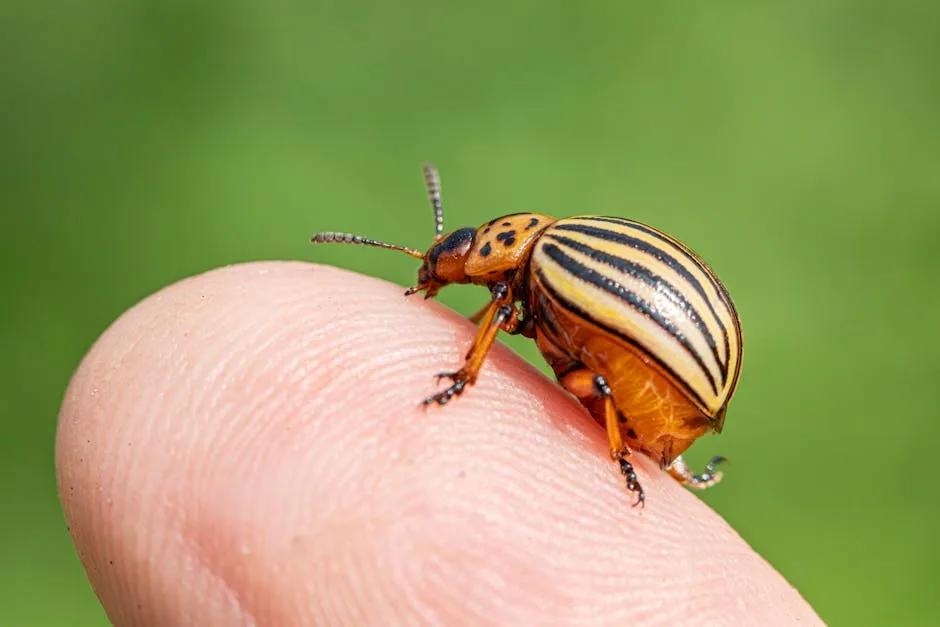
Integrated Pest Management (IPM) for Potatoes: Fewer Sprays, Better Results
Potato production faces constant challenges from pests and diseases. The traditional approach based solely on frequent chemical applications is no longer sustainable economically or ecologically. Integrated Pest Management (IPM) offers a smarter alternative: effective control with fewer sprays.
What Is Integrated Pest Management (IPM)?
IPM is a systematic approach that combines multiple pest control methods to minimize risks to human health, beneficial organisms, and the environment. Instead of relying on a single type of treatment, IPM uses a combination of:
- Cultural control (crop rotation, variety selection)
- Biological control (natural predators, parasites)
- Mechanical control (traps, physical barriers)
- Selective chemical control (only when necessary)
Core Principles of IPM in Potato Cultivation
1. Prevention
The first line of defense is preventing problems from occurring. This includes:
- Using certified, disease-free seed material
- Crop rotation (typically 3-4 years between potato crops)
- Choosing varieties resistant to predominant diseases and pests in the area
- Maintaining field hygiene (removing infected plant debris)
2. Monitoring
Treatment decisions must be based on actual observations, not a fixed calendar. Regular monitoring includes:
- Weekly visual inspection of plants
- Using pheromone traps to monitor pest populations
- Recording weather conditions that favor diseases
- Keeping a field journal with observations
3. Intervention Thresholds
IPM uses economic thresholds to determine when treatment is justified. Not every pest presence requires immediate action. Treatment is recommended only when:
- Pest population exceeds the economic damage threshold
- Weather conditions favor disease development
- Preventive and cultural control methods have been insufficient
Main Pests and IPM Strategies
Colorado Potato Beetle (Leptinotarsa decemlineata)
| IPM Method | Description |
|---|---|
| Cultural control | Crop rotation, delayed planting, dense foliage varieties |
| Biological control | Bacillus thuringiensis (Bt), predatory insects (carabid beetles) |
| Mechanical control | Hand collection, straw mulching |
| Selective chemical control | Spinosad, chlorantraniliprole (only when threshold exceeded) |
Late Blight (Phytophthora infestans)
| IPM Method | Description |
|---|---|
| Cultural control | Resistant varieties (Sarpo Mira, Melody), elimination of cull piles |
| Monitoring | Warning systems based on weather conditions |
| Chemical control | Contact and systemic fungicides, applied based on calculated risk |
Benefits of Applying IPM in Potato Cultivation
Economic Benefits
- Reduction in pesticide costs, depending on pest pressure
- Fewer field passes = fuel and time savings
- Maintaining pesticide efficacy (preventing resistance)
- Access to markets with higher residue requirements
Ecological Benefits
- Protection of pollinators and beneficial insects
- Maintaining soil biological balance
- Reduction of groundwater contamination
- Contribution to agricultural ecosystem biodiversity
Plant Health Benefits
- More vigorous plants, less stressed by frequent applications
- Healthier root system
- Improved natural resistance
Implementing IPM: Practical Steps
Step 1: Assessing the Initial Situation
Before implementing IPM, assess:
- History of pests and diseases on the field
- Soil type and local climate conditions
- Cultivated varieties and their vulnerabilities
- Available resources for monitoring
Step 2: Establishing a Monitoring System
An effective monitoring system includes:
- Pheromone traps for Colorado potato beetle (typically 2-3/ha, depending on the system)
- Fixed observation points in the field
- Agricultural weather forecast apps or services
- Field log for recording observations
Step 3: Integrating Control Methods
Combine methods in order of priority:
- Prevention (rotation, resistant varieties, hygiene)
- Biological and mechanical control
- Selective chemical control (last option)
Tools and Technologies for Modern IPM
Modern technology facilitates IPM implementation:
- Mobile apps – for pest identification and recording observations
- Field weather stations – for calculating disease risk
- Drones and satellite imagery – for early detection of problems
- Computer-based decision systems – for optimizing application timing
Tips for Success with IPM
- Start with simple measures and add complexity gradually
- Keep detailed records to learn from experience
- Collaborate with neighbors to reduce pest pressure at the area level
- Consult local specialists for tailored recommendations
- Be patient – full IPM benefits often show after a few seasons
Conclusion
Integrated Pest Management is not just a trend — it is a strong direction for sustainable agriculture. By combining biological, cultural, and chemical methods in an intelligent approach, potato farmers can achieve very good results with fewer sprays, reduced costs, and a smaller environmental impact.
The transition to IPM requires a mindset change: from "treat everything preventively" to "treat intelligently when necessary." This change brings benefits to the farm, consumers, and the environment alike.
This article is for informational purposes and does not replace professional agronomic advice. Always consult local specialists and follow applicable regulations for plant protection product use.