
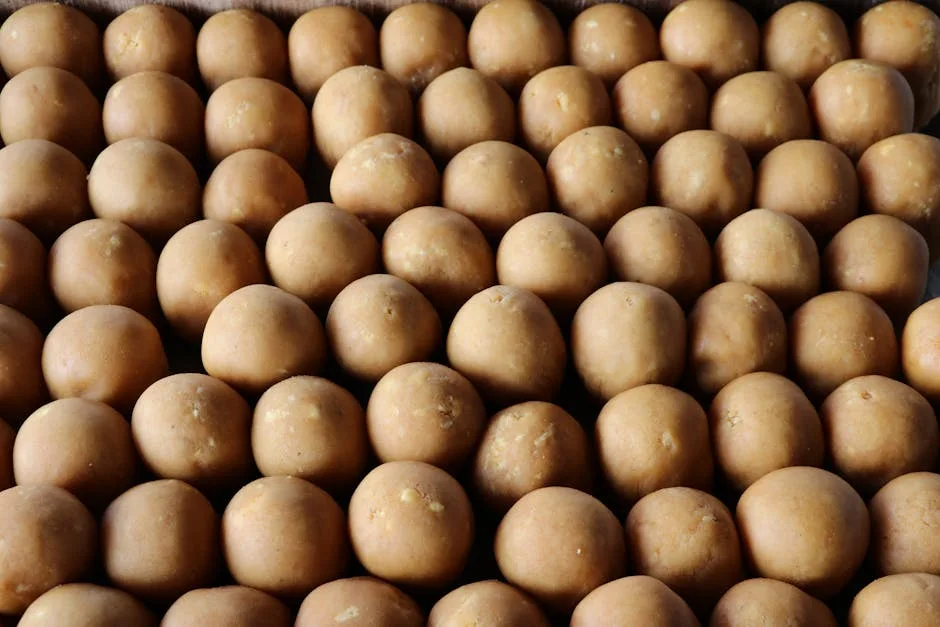
Top Potato Varieties for Romania and EU Markets
Choosing the right potato variety is one of the most important decisions for farmers targeting both local markets and exports within the European Union. This guide covers proven varieties, their characteristics, and the factors you need to consider to maximize yield and profitability.
Understanding Market Demands
The European potato market has specific requirements depending on end use. Before choosing a variety, consider your primary sales channel:
- Fresh consumption (local markets, supermarkets)
- Industrial processing (chips, french fries)
- Export to other EU member states
- Seed potato production
Early Varieties (70-90 days)
Early varieties are ideal for getting first-season revenue and for fresh consumption markets where prices are higher early in the season.
| Variety | Indicative yield (t/ha) | Skin/Flesh Color | Main Use |
|---|---|---|---|
| Riviera | 25-35 | Yellow/Light yellow | Fresh consumption |
| Colomba | 30-40 | Yellow/Yellow | Fresh consumption, salads |
| Adora | 28-38 | Yellow/Light yellow | Fresh consumption |
| Carrera | 30-42 | Yellow/Yellow | Fresh consumption, boiling |
Note: Storage durations are indicative and depend on storage conditions and lot quality.
Note: Yield values are indicative and can vary with technology, soil, and climate conditions.
Mid-Season Varieties (90-110 days)
These varieties offer a good balance between yield and quality, suitable for a wide range of uses.
- Agria - Excellent for frying and processing. Indicative yield 35-45 t/ha. Very popular in the European market.
- Fontane - Ideal for processing industry. Indicative yield 40-50 t/ha. High dry matter content.
- Red Scarlett - Attractive red skin, good for fresh market. Indicative yield 30-40 t/ha.
- Impala - Versatile, good drought tolerance. Indicative yield 35-45 t/ha.
Late Varieties (110-130+ days)
Late varieties are suitable for long-term storage and for supplying the market off-season, when prices can be more favorable.
- Desiree - Classic variety, red skin, excellent for boiling and baking. Indicative yield 30-40 t/ha. Very good storage.
- Russet Burbank - Standard for industrial french fries. Indicative yield 35-45 t/ha.
- Kondor - Red skin, high productivity. Indicative yield 40-50 t/ha.
Disease and Pest Resistance
Choosing varieties with genetic resistance reduces dependence on plant protection treatments and improves production sustainability.
Important factors to consider:
- Resistance to late blight (Phytophthora infestans) - essential in high humidity areas
- Virus tolerance (PVY, PLRV) - important for seed potato production
- Resistance to common scab (Streptomyces scabies) - affects commercial appearance
- Nematode tolerance - check the plot history
Always follow the product label and local regulations for crop protection.
Storage Considerations
Storage capacity varies significantly between varieties and directly influences your marketing strategy:
| Category | Storage Duration | Example Varieties |
|---|---|---|
| Short | 1-2 months | Riviera, Colomba |
| Medium | 3-5 months | Agria, Red Scarlett |
| Long | 6-9 months | Desiree, Fontane, Kondor |
Recommended storage conditions generally include 4-8°C for consumption and 7-10°C for processing, 90-95% relative humidity, and adequate ventilation. Verify local and buyer requirements.
Frequently Asked Questions
Which potato varieties can be profitable for EU export?
It depends on your target market. For processing, Fontane and Agria are often sought after. For fresh consumption, smooth yellow-skinned varieties like Colomba have constant demand in Western Europe.
How many varieties should I grow on my farm?
We recommend 2-4 varieties with different maturity periods. This reduces risk and allows better utilization of labor and equipment throughout the season.
Which varieties are more drought-resistant?
Impala and Kondor are often mentioned for good drought tolerance. However, potatoes generally require consistent moisture for optimal yields.
Is it worth investing in certified seed potatoes?
Generally, yes. Certified seed potatoes ensure variety purity, virus-free status, and higher yield potential. The cost difference can be recovered through better yields and good quality, depending on conditions.
Conclusion
Success in potato farming starts with choosing the right varieties for your local conditions and target market. Combine early varieties for quick revenue with late varieties for storage and off-season sales. Pay attention to disease resistance to reduce production costs and meet the growing demand for sustainable products in the European market.
Test new varieties on small areas before adopting them at scale, and maintain good relationships with certified planting material suppliers.
Disclaimer: The information presented in this article is for guidance purposes only and does not replace advice from an agronomic specialist. Yields mentioned are indicative and may vary depending on soil conditions, climate, applied technology, and other factors. For specific recommendations for your farm, consult a local specialist.