
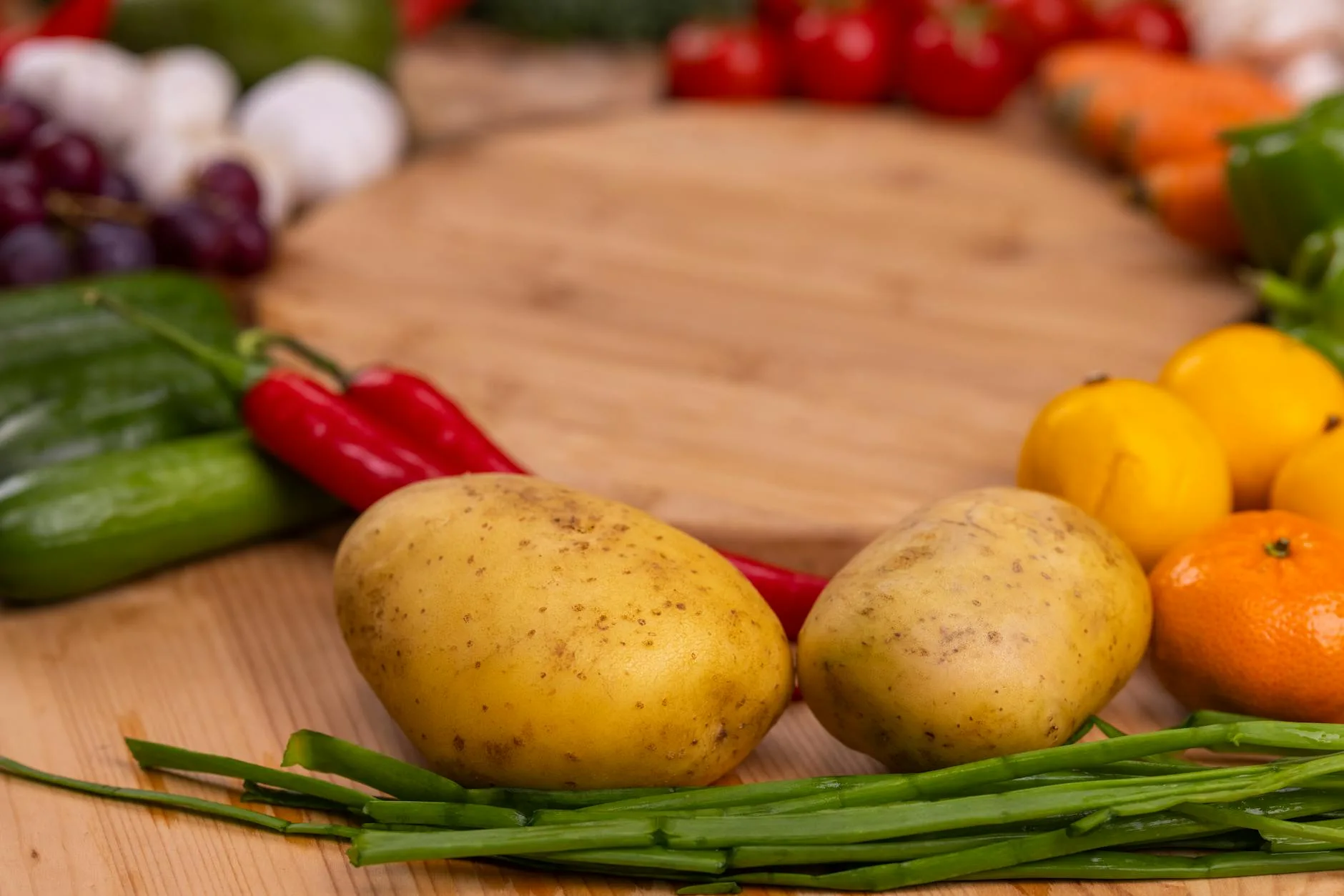
Potato Varieties by Maturity: A Guide for Romania and EU Markets
Choosing the right potato variety can make the difference between a profitable harvest and a mediocre one. Farmers in Romania must consider local climate conditions, soil type, disease resistance, and EU market requirements. This guide helps you identify the most suitable varieties for your operation.
Variety Classification by Maturity
Potato varieties are classified based on the time from planting to harvest. The right choice depends on your cultivation plan, climate conditions, and intended use of the crop.
| Category | Days to Harvest | Main Use |
|---|---|---|
| Very early | 60-80 | Fresh consumption, early market |
| Early | 80-100 | Fresh consumption, processing |
| Semi-early | 100-120 | Consumption, short storage |
| Late | 120-140+ | Long storage, industrial processing |
Note: Days to harvest are indicative and can vary with climate and management.
Recommended Early Varieties
Early varieties are ideal for farmers who want to be first to market with new potatoes. They often need less water and are less exposed to late-season diseases.
- Riviera – Very early, yellow skin, light yellow flesh. Suitable for sandy and loamy soil. Good yield under irrigation.
- Colomba – Early, versatile, handling resistant. Very popular in EU markets for uniform appearance.
- Adora – Smooth yellow skin, excellent taste. Good resistance to common scab.
- Carrera – High yield, regular oval shape. Suitable for fresh consumption and processing.
Semi-early and Mid-season Varieties
These varieties offer a balance between yield and quality. They are among the most widespread in commercial cultivation in Romania.
- Agria – Reference variety for frying. Yellow flesh, high dry matter content. Suitable for processing and medium storage.
- Fontane – Suitable for quality fries. Long-oval shape, good resistance to late blight.
- Marabel – Yellow skin, intense yellow flesh. Excellent taste, suitable for fresh market.
- Innovator – Preferred variety for frozen fries. White flesh, uniform long shape.
Late Varieties for Storage
Late varieties are essential for winter supply. They often have thicker skin and better long-term storage potential.
- Markies – Very high yield, good storage capacity. Suitable for processing and consumption.
- Melody – Red skin, yellow flesh. Resistant to nematodes and late blight. Suitable for fresh market.
- Sarpo Mira – Very resistant to late blight. Suitable for organic cultivation and high-rainfall areas.
- Jelly – Round-oval shape, smooth skin. Good virus resistance and excellent storage.
Disease and Pest Resistance
In Romania, the main phytosanitary challenges for potato cultivation include late blight, viruses, nematodes, and Colorado potato beetle. Choosing resistant varieties reduces treatment costs and loss risks.
| Variety | Late Blight Resistance | Nematode Resistance | Virus Resistance |
|---|---|---|---|
| Sarpo Mira | Very high | Medium | High |
| Melody | High | High | High |
| Fontane | Medium-High | Medium | Medium |
| Agria | Low | Low | Medium |
Always follow the product label and local regulations when applying plant protection treatments.
EU Market Requirements
To sell potatoes on EU markets, farmers must comply with strict quality standards. Here is what matters to buyers:
- Uniform appearance (shape, size, color)
- Absence of visible defects (cracks, deformities, green spots)
- Smooth and clean skin
- Appropriate specific gravity for intended use (fresh consumption vs. processing)
- Complete production traceability
- Compliance with maximum residue limits (MRLs) for pesticides
How to Choose the Right Variety
The decision on potato variety depends on several factors. Consider the following:
- Soil type – Smooth-skinned varieties prefer light, sandy soils. Heavy clay soils suit thicker-skinned varieties.
- Water availability – If you lack irrigation, choose drought-tolerant or short-cycle varieties.
- Crop destination – Fresh market requires very good appearance; processors seek high dry matter content.
- Disease pressure – In humid areas, prioritize late blight resistance. In areas with nematode history, choose resistant varieties.
- Storage capacity – If you sell gradually throughout winter, choose late varieties with good keeping quality.
Frequently Asked Questions
Which varieties have high yields?
Varieties such as Markies, Fontane, and Innovator are known for high yields under optimal conditions. However, yield also depends on soil quality, irrigation, and crop management.
Which varieties are very resistant to late blight?
Sarpo Mira is recognized for very good late blight resistance, making it suitable for organic farming or high-humidity areas.
Which varieties are suited for frying?
Agria, Fontane, and Innovator are preferred by processors for frying due to their high dry matter content and uniform shape.
Can I grow multiple varieties in the same year?
Yes, many farmers grow early varieties for quick sales and late varieties for storage. This diversifies income and reduces risk.
Where can I obtain certified seed material?
Certified seed material can be purchased from authorized suppliers or directly from research institutes. Always verify the official certificate before purchase.
Conclusion
Choosing the right potato variety is a strategic decision that directly influences farm profitability. Analyze local conditions, market requirements, and available resources before deciding. Testing on small areas in the first year can be a prudent approach for new varieties.
Consult seed suppliers and local agricultural specialists for recommendations tailored to your area.
This article is for informational purposes and does not replace professional agronomic advice. Always verify information with local specialists and follow applicable regulations.