
RECIPROC and SU TARROCA: comparing wheat varieties
An article by the Agrico-M team. Agronomic information is general; technical sources are identified in the article where cited. Contact our team to suggest a correction. Contact
For bread-making wheat in Transylvania, compare RECIPROC and SU TARROCA through crop destination, trial evidence and seed-lot documents. They are wheat varieties, with resistance assessed disease by disease. Use the comparison sheet for sowing plans and spring observations so that buyer requirements are connected to performance that can be checked in the field.
Which practical reference points can you use?
Start with breeder-confirmed identity and use, then compare resistance on the same scale and at the same growth stage. The biological references help interpret symptoms. The seed-rate example separates grain weight from establishment, giving you a traceable selection process while keeping catalogue descriptions distinct from local trial results.
| Check and decision | Source / basis |
|---|---|
| Request the exact RECIPROC identity and bread-wheat documents; do not substitute a treatment trade name. | Lemaire Deffontaines — RECIPROC |
| For SU TARROCA request the current profile and lot documents; tie each resistance claim to the named disease. | Saaten-Union — SU TARROCA |
| The AHDB 1–9 yellow-rust scale describes adult-plant resistance; do not compare it directly with plus-sign scales. | AHDB — Yellow rust |
| If pustules appear on young plants, check juvenile and adult responses separately before declaring resistance breakdown. | AHDB — Yellow rust |
| AHDB gives septoria latency of 14–28 days; keep tracking symptom-free leaves after rain. | AHDB — Septoria tritici |
| AHDB gives 15–20°C as favourable for Z. tritici; interpret temperature with wetness and leaf stage. | AHDB — Septoria tritici |
| Worked example: 250 plants/m² × 40 g TGW × 100 ÷ (80% establishment × 95% germination) = 131.6 kg/ha. | Hypothetical example; editorial calculation or specification. |
| Replace every example input with the local target, lot TGW and germination; state whether establishment is based on viable seed or all seed. | AHDB — Wheat trial protocol |
What do the breeders confirm about the varieties?
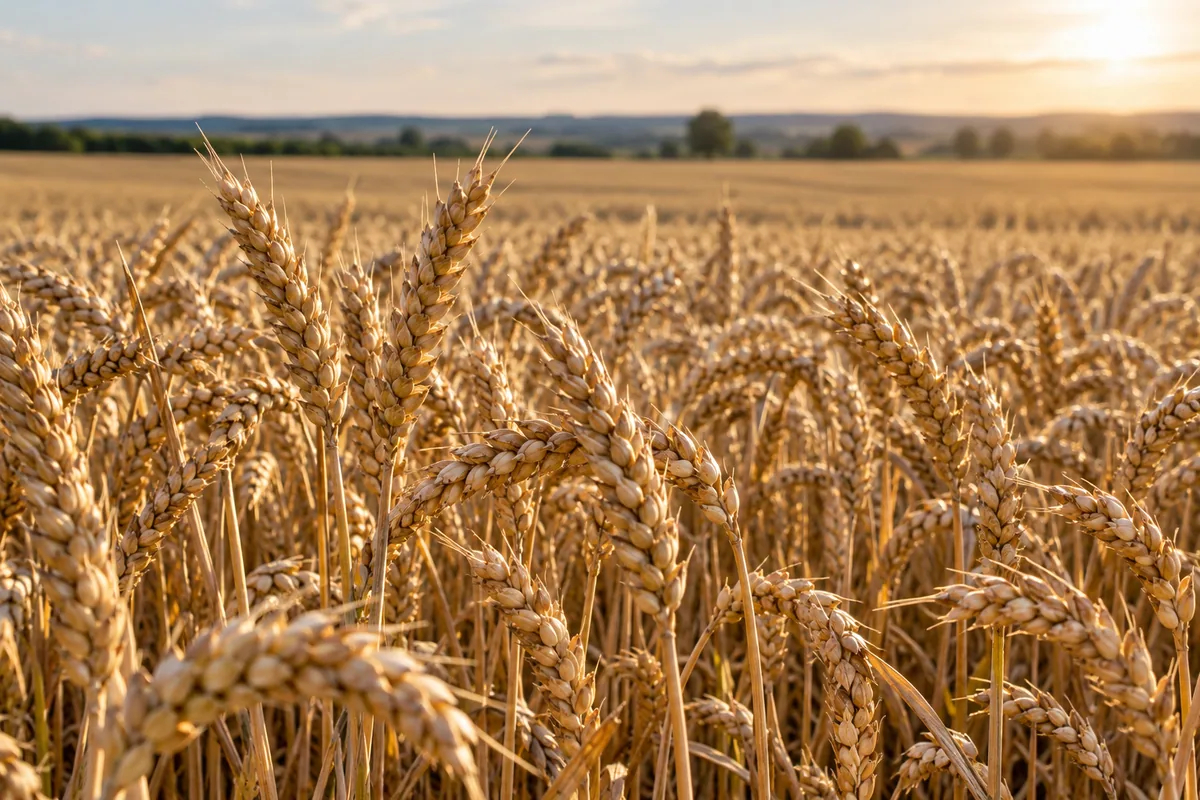
Lemaire Deffontaines lists RECIPROC as bread-making wheat. Saaten-Union describes SU TARROCA as winter baking wheat. These are primary sources for identifying the varieties. They are not results from an Agrico-M comparison trial and should not be presented as our own farm experience. The generic illustration accompanying this article cannot establish that a pictured ear belongs to either variety. Keep identification evidence separate from illustrative imagery.
Before requesting an offer, check the full name throughout the paperwork. An abbreviation in a message or an approximate spelling is not enough to identify a seed lot. Ask the supplier to connect the variety in the offer clearly with the label and seed documents that will accompany delivery. If names differ, resolve that discrepancy before continuing the economic comparison. A familiar-sounding name is not a substitute for consistent documentation.
What does the buyer require from the crop?
Write down whom you plan to sell to and which requirements must be met. A baking category in a variety description does not mean every harvested lot will automatically be accepted by every buyer. Request the contractual requirements and the way quality will be assessed.
Then ask which variety evidence is relevant to those requirements, without turning a commercial description into a guarantee about next season’s grain or advance acceptance by a buyer.
Build a two-column sheet, one column for each variety. For every characteristic, record the source, year, market and missing information. Leave an empty cell marked “unconfirmed” rather than filling it with an assumption. If you have a detailed report for one variety and a short description for the other, that is an evidence limitation to declare. A balanced comparison can acknowledge missing data without pretending both files are equally complete.
How do you compare maturity and workload?
Ask how maturity is defined in the document and which reference varieties it is compared with. Do not infer an exact difference in days from two adjectives in unrelated catalogues. For planning, relate the information to rotation, machinery availability and the intended harvest window.
Request documented examples from conditions resembling your own, rather than relying only on a broad earliness label. That makes the information useful to a real operational decision.
How should you read rust and septoria resistance?
Genetic resistance in a variety is different from fungicide efficacy. Request separate information for yellow rust, brown rust and septoria, stating the disease, assessment scale, year and trial conditions. Do not combine scores from different scales or read an absent score as evidence of resistance.
The sources consulted here do not provide a sufficient direct comparison to rank either of these varieties above the other. That limit should remain visible in any recommendation.
AHDB’s yellow-rust guidance explains that growth stage matters when interpreting resistance and that pathogen populations can change. Its septoria guide addresses a separate disease. This context explains why a general “disease resistant” description does not remove the need to inspect the crop. Actual symptoms and any treatment decision require a separate assessment with an agronomist and a check of current authorised uses. A variety description is not a treatment instruction or proof of disease absence.
What makes yield results comparable?
Separate variety potential from a field result and from the commercial calculation. This article assigns neither guaranteed yields nor treatment savings or income to either variety. For a farm decision, write down the hypothesis you want to check in a local comparison and the result that would make you reconsider.
That reduces the risk of interpreting every observed difference as a definite variety effect, regardless of soil or management differences.
What should you check in the lot and offer?
Selecting a variety does not complete seed checks. Request lot identity, the declared seed category and available quality documentation for the lot being offered. Clarify any seed treatment and accompanying label information; do not infer an authorised use from the variety name.
Availability, quantity and delivery must be confirmed for your particular order. This article is not a stock offer and does not establish that either variety is currently available for supply.
- Confirm the exact variety name and its match with the seed-lot documents.
- Request the current description relevant to the market and growing region.
- Record comparable evidence and keep unconfirmed information clearly marked.
- Check the buyer’s requirements for the grain you intend to sell.
- Resolve offer terms, a named contact and any outstanding questions.
How do you document the final choice?
Finish with a short note stating the farm objective, available evidence, its limits and the reason for choosing or postponing. Preserve the document versions used, then revisit the conclusion after observing the crop. Continue with the dedicated establishment and tillering guides below.
Correct variety names and coherent documentation provide a useful foundation for discussion, while seasonal crop observation shows how that choice performs under the conditions actually encountered.
What questions arise in practice?
Can I name one variety the winner?
Request trials comparable in year, region, management and use. Choose the criterion that matters to the buyer and farm. Breeder profiles support descriptions; a local ranking needs local data assessed on a common basis.
Does adult resistance imply healthy young leaves?
Check the growth stage covered by the rating. Photograph symptoms and identify the disease before comparing. Juvenile response can differ from later performance; retain those observations in separate columns of the sheet.
Can I use the same seed weight for both?
Recalculate using TGW, germination and expected establishment. The same mass can contain different grain numbers. The sheet separates assumptions so that the effect of changing seed lots is visible before setting the drill.
What is missing from an offer without origin and lot?
Request variety identity, category, lot number and quality documents. Connect the offer to the material actually being delivered. If these disagree, hold the order until clarified and retain the written response in the purchase record.
How do you use the downloadable sheet?
Download the PDF booklet in this page’s language and use the article page identified in the link. Enter actual readings beside the references and retain the sheet with its sample or lot record. On the next visit compare the same units and record the change that supports the team’s decision.
- Enter breeder profiles and local trial data separately.
- Check the stage and scale of every resistance rating.
- Calculate from lot data and confirm buyer requirements.
Download the PDF checklist (3/9)
Which guides support the next check?
- Wheat pest monitoring: protecting early tiller growth
- Wheat stand density: counting plants and assessing gaps
- The potato year in Transylvania: a practical plan
Discuss field observations with the team
Sources and evidence
Documents checked on 20 October 2026; use the relevant sections in each source.